
The Art of Creating an Immersive Experience
Casino design is an intricate art form, meticulously crafted to create an immersive environment that engulfs visitors in a world of excitement and anticipation. The architecture, interior design, and layout of the casino work together to stimulate the senses and evoke a sense of thrill. Designers often employ a mix of vibrant colors, dynamic lighting, and captivating sounds to draw players into the gaming experience, and many are now exploring options like the fast paypal withdrawal casino to enhance the overall player satisfaction. This multisensory approach not only enhances enjoyment but also creates an atmosphere that encourages patrons to stay longer and engage more.
Lighting plays a crucial role in shaping the mood within a casino. Soft, warm lights can make spaces feel inviting, while brighter lights can amplify excitement near gaming tables and machines. Additionally, ambient sounds, such as the jingling coins or the celebratory cheers of winners, add to the auditory experience, heightening the emotional connection players have with the environment. The overall sensory experience keeps visitors entertained, reducing the perception of time spent inside the casino.
Moreover, the layout of the casino is strategically designed to guide players through various sections, creating a journey through the establishment. Key areas are often placed to capture attention, such as the entrance that showcases grandeur and opulence. Designers intentionally place machines and tables in close proximity to food and drink services, ensuring that players have everything they need at their fingertips. This spatial arrangement not only promotes engagement but also enhances the likelihood of extended visits, ultimately benefiting the casino’s bottom line.
The Psychological Impact of Colors and Sounds
The chosen colors in a casino’s design are not merely aesthetic; they possess psychological significance that can influence behavior and mood. Warm hues like red and gold are commonly employed to evoke feelings of excitement, energy, and luxury. These colors stimulate the senses, encouraging patrons to engage in risk-taking behavior while playing games or betting. On the other hand, cooler shades like blue can create a sense of calm, promoting comfort and relaxation, which can be beneficial in areas designated for dining or socializing.
Sound design is equally impactful in the psychology of casino design. Casinos typically use a combination of upbeat music and the natural sounds of games, such as shuffling cards or rolling dice, to create an ambiance filled with anticipation. This auditory backdrop can lead to an adrenaline rush, fostering a desire to participate in the excitement. Furthermore, the rhythmic patterns of sounds can be addictive, encouraging players to continue playing in hopes of experiencing that thrilling ‘win’ sound.

The strategic use of music tempo can also influence decision-making. Research suggests that faster music can lead to quicker betting decisions, whereas softer music can slow down the pace, encouraging longer play times and more thoughtful decision-making. This manipulation of sound and rhythm, combined with the overall design elements, contributes to an environment that feels both stimulating and comfortable, inviting players to stay longer and indulge in the various gaming options available.
The Allure of Rewards and Incentives
Another psychological element at play in casino design is the integration of rewards and incentives that entice players to return. Casinos often feature loyalty programs, providing players with tangible benefits such as complimentary meals, hotel stays, and free play credits. This strategy not only encourages repeat visits but also fosters a sense of belonging within a community, where players feel valued and appreciated for their loyalty. The psychological principle of reward systems aligns with the brain’s natural response to stimuli, creating a cycle of reinforcement that keeps players engaged.
Moreover, the design of gaming areas often showcases jackpot displays or large screens that highlight winners. This visual cue serves to motivate other players, as witnessing someone else win can instill hope and increase their desire to participate. The excitement surrounding potential rewards is further amplified by the use of celebratory elements in the design, such as confetti cannons or flashing lights that activate when a player wins. Such features not only make victories feel monumental but also contribute to a collective sense of joy among patrons.
Additionally, casinos employ ‘near-miss’ features in their games, where players come close to winning but fall short. This design element keeps players hopeful and engaged, as they experience the thrill of being close to a reward. The psychology behind this phenomenon is rooted in the concept of reinforcement, where the excitement of almost winning can be as compelling as actually winning. This continuous cycle of hope and excitement fuels a player’s desire to keep trying, ultimately benefiting the casino in terms of customer spending and loyalty.
The Importance of Design in Customer Flow
Understanding customer flow is paramount in casino design, as it directly influences player behavior and ultimately affects revenue. The movement patterns of players are carefully studied to optimize the placement of games, display areas, and amenities. Casinos are often designed with strategic pathways that encourage foot traffic toward high-stakes areas and popular games, creating a natural flow that promotes exploration. By crafting an environment that guides players seamlessly through different zones, designers can amplify engagement levels and create a more dynamic experience.
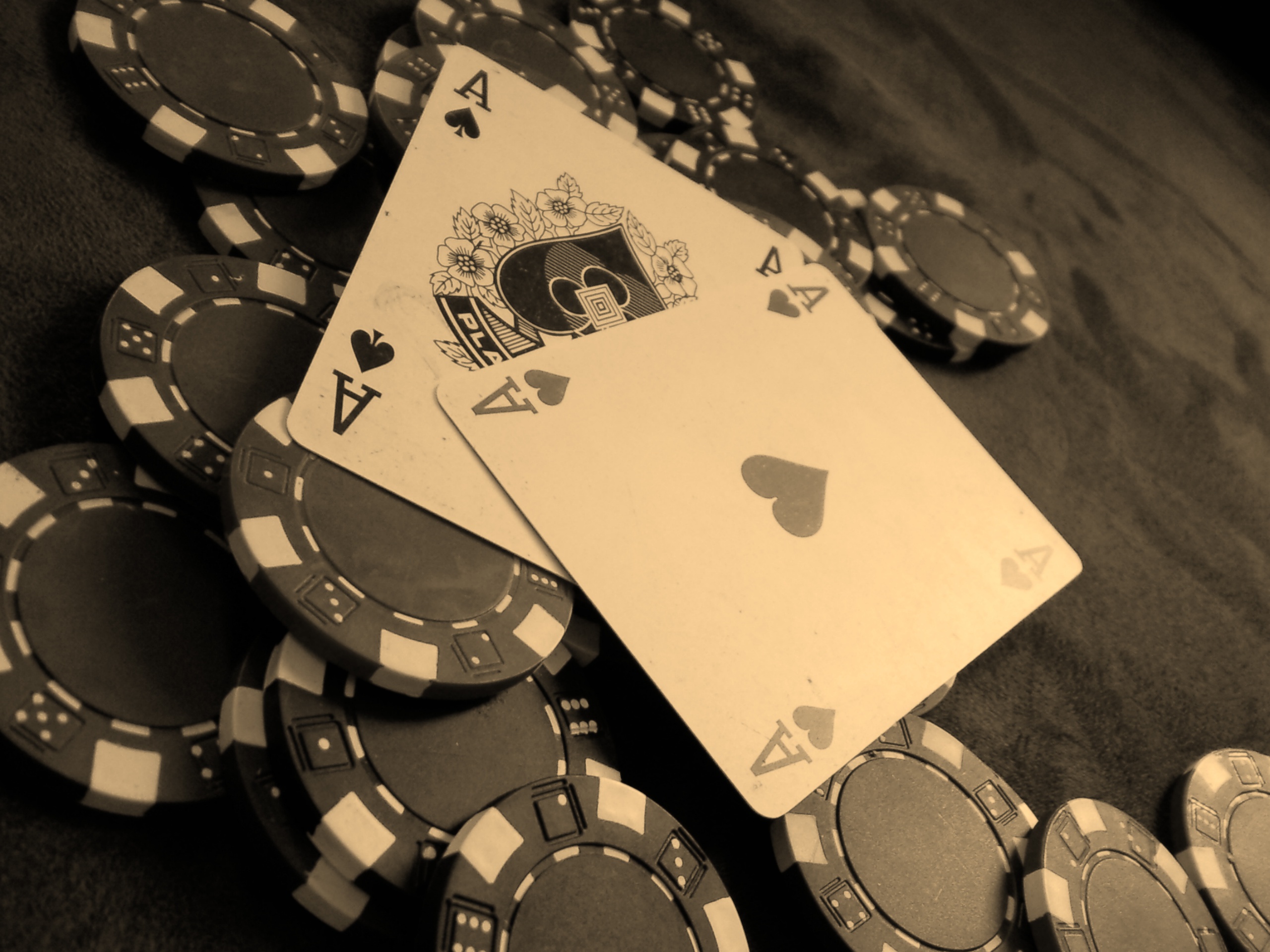
Furthermore, the use of strategic barriers and open spaces can affect how players interact within the casino. For instance, creating slightly enclosed areas for high-stakes games can generate a sense of exclusivity and excitement, attracting players seeking a premium experience. Conversely, open layouts with high visibility can foster a social atmosphere, encouraging interaction among players. This balance of openness and privacy in design works to cater to various preferences, ultimately enhancing the overall gaming experience.
The importance of rest areas and amenities cannot be understated either. By providing comfortable lounges, dining options, and bars within the gaming floor, casinos can create an environment that encourages players to take breaks, recharge, and continue their gaming experience. These considerations are essential for customer satisfaction and can lead to increased spending, as patrons feel more inclined to indulge in food and drink offerings during their visits. The deliberate design choices surrounding customer flow, comfort, and accessibility culminate in a powerful impact on the casino environment.
Conclusion and Insights from Expert Designers
In conclusion, the psychology behind casino design is a multifaceted field that leverages various elements to create an engaging and immersive atmosphere. Expert designers understand the delicate balance between aesthetics, functionality, and psychology to craft environments that captivate and excite players. Observing how color, sound, layout, and rewards interact offers valuable insights into consumer behavior, allowing casinos to tailor their offerings effectively.
Beyond mere entertainment, the design of a casino extends to building a sense of community and connection among players. As designers continue to push the envelope in creating innovative environments, they will undoubtedly explore new avenues for enhancing the psychological experience of patrons. The integration of technology, sustainability, and unique aesthetics will play a significant role in shaping the future of casino design.
For those interested in learning more about the principles of casino design and its psychological implications, various resources and insights are available. Through continual exploration and understanding of these dynamics, both players and designers can appreciate the intricate relationship between environment and gaming experience, ultimately leading to a richer and more rewarding connection to the world of casinos.